Content
Selecting the correct power supply is the most critical decision when purchasing an arc welder, as it dictates the machine's capabilities, the type of work you can perform, and the operational environment. The power source converts primary electrical power into the appropriate voltage, current, and type of current required for a stable welding arc. There are three primary categories of power sources, each with distinct characteristics, advantages, and limitations. A thorough understanding of these options will prevent costly mismatches between your machine and your intended projects. This section delves into the core technologies, explaining their operation and typical use cases to build a foundation for the detailed specifications discussed later. The choice between these technologies impacts everything from portability and efficiency to weld quality and material compatibility. We will explore transformer-based, inverter-based, and engine-driven welders, providing a clear comparison to guide your initial selection process before moving into granular technical details.
The traditional transformer-based welder operates on a relatively simple principle: it uses a heavy-duty transformer to step down the high-voltage, low-amperage input current from the mains supply into the low-voltage, high-amperage output needed for welding. These machines are renowned for their durability, simplicity, and ability to deliver consistent power under load. However, they are typically very heavy, less energy-efficient due to heat loss, and offer limited control over the welding arc compared to modern alternatives. In contrast, inverter-based welders use a series of electronic components to first convert incoming AC power to DC, then use fast-switching transistors to create a high-frequency AC signal, which is finally transformed and rectified back to the desired welding output. This complex process allows for exceptional control, light weight, high efficiency, and often the ability to perform multiple welding processes (like Stick, TIG, and sometimes MIG) with a single machine. Engine-driven welders are essentially standalone generators that produce their own power, making them completely independent of the electrical grid. They are indispensable for field work, construction sites, and remote repairs. The decision among these three is foundational and directly answers a key user query: best power source for stick welding in a home garage. For this common scenario, the inverter welder often emerges as the superior choice due to its light weight, excellent arc control for easier striking and stability, and lower power consumption, which is gentler on home electrical circuits.
The following table summarizes the core differences to aid in this fundamental choice:
| Power Source Type | Core Principle | Primary Advantages | Primary Disadvantages | Best Suited For |
|---|---|---|---|---|
| Transformer | Electromagnetic induction to step down voltage. | Extreme durability, simple design, low maintenance, consistent output. | Very heavy, less energy efficient, limited features and arc control. | Industrial settings, dedicated workshop stations, environments where portability is not a concern. |
| Inverter | Solid-state electronics for power conversion and control. | Lightweight and portable, energy efficient, excellent arc control, multi-process capability, often runs on lower input voltage. | More complex electronics can be sensitive to dust and moisture, generally higher initial cost for equivalent amperage. | Home garages, mobile repair services, fabrication shops requiring versatility, locations with weak grid power. |
| Engine-Driven | Internal combustion engine coupled with a generator. | Complete portability and independence from the grid, can provide auxiliary power for tools/lights. | Noisy, requires fuel and engine maintenance, exhaust fumes, higher operational cost, heavy. | Pipeline work, farm/ranch repairs, construction sites, disaster relief, and any off-grid welding application. |
Once you have a grasp of the power source type, the next step is to interpret the key specifications listed on a welder's datasheet. These numbers are not just marketing points; they are the quantitative blueprint of the machine's performance envelope. Understanding them ensures you purchase a welder that can handle your thickest projects, start reliably, and operate without tripping your breakers. Two of the most critical and often misunderstood specs are the duty cycle and the amperage range. They are intrinsically linked and form the heart of a welder's capability statement. Ignoring these specs can lead to purchasing an underpowered machine that overheats constantly or an overpowered one that is unnecessarily expensive and cumbersome. This section will break down these and other vital parameters, transforming technical jargon into practical knowledge for making an informed purchase.
The duty cycle is arguably the most important specification for understanding a welder's real-world capacity. It is defined as the number of minutes out of a 10-minute period that a welder can operate at a given amperage output before it needs to cool down to prevent overheating. For example, a 200-amp welder with a 30% duty cycle at 200 amps can weld continuously for 3 minutes at 200 amps, after which it must cool for 7 minutes. If you weld at a lower amperage, say 150 amps, the duty cycle increases significantly, often to 60% or higher. This is crucial for projects involving long, continuous beads or large volumes of welding. A machine with a low duty cycle at your required amperage will force frequent, frustrating stops. The amperage range indicates the minimum and maximum output current the machine can produce. A wider range offers more versatility, allowing you to weld thin sheet metal at low amps and thicker materials at high amps. When evaluating, always cross-reference the duty cycle with the amperage. A machine advertising a "200 Amp" output might only sustain that at a 20% duty cycle, while another might offer 200 amps at a 40% duty cycle, representing a much more robust and capable power supply. This analysis is directly relevant for users searching for duty cycle requirements for welding 1/2 inch steel. Welding 1/2-inch steel typically requires substantial amperage, often in the range of 180-250 amps depending on the electrode and technique. For such a task, a machine with a high duty cycle (at least 40-50%) at that amperage range is essential to complete lengthy welds without interruption, pointing towards heavier-duty transformer or high-capacity inverter models.
Before bringing a welder home, you must ensure your workspace can power it. Input voltage requirements are non-negotiable. Most consumer and light-industrial welders are designed for either 120V/115V (standard household outlet) or 240V/230V (like a dryer or oven outlet). Some versatile inverters can automatically accept a range of voltages (e.g., 120V-240V). A 120V machine offers convenience but is typically limited in its maximum output amperage and duty cycle. A 240V machine unlocks higher power, better performance, and more stable arcs but requires a dedicated circuit to be installed by a qualified electrician. Alongside voltage, you must consider the amperage draw of the welder, which determines the circuit breaker size needed. Exceeding your circuit's capacity will cause nuisance tripping and can be a fire hazard. Always consult the welder's manual for its rated input amperage and ensure your electrical supply meets or exceeds it with a proper safety margin. This consideration is paramount for hobbyists, leading to a common search: can you run a 220v welder on a home circuit. The answer is yes, but not on a standard 15-amp living room circuit. Running a 220v welder requires a dedicated 240-volt circuit, installed according to local electrical codes, with the appropriate wire gauge and breaker size (commonly 30-50 amps) to handle the welder's maximum input current draw. Attempting to modify existing 120V circuits is dangerous and should never be attempted.
Arc welding is not a one-size-fits-all discipline. The type of metal you work with, its thickness, and the specific welding process you intend to use impose distinct requirements on the power supply. A machine perfect for occasional stick welding on mild steel might be wholly inadequate for welding thin aluminum or for precise TIG work. Therefore, your material and process goals must feed back into your power supply specifications. This stage of selection moves from general electrical specs to the nuanced output characteristics that affect weld quality. It involves understanding the difference between AC and DC output, the importance of open circuit voltage, and features tailored for specific processes. This alignment ensures the machine doesn't just turn on, but performs the specific task you have in mind effectively and efficiently.
Welding power sources provide either Alternating Current (AC), Direct Current (DC), or both (AC/DC). The choice of current is fundamental to the welding process and material. DC is the most common and versatile output. In DC welding, the electrical current flows in one consistent direction, creating a very stable, smooth arc with less spatter. It can be set to either DC Electrode Negative (DCEN or straight polarity) or DC Electrode Positive (DCEP or reverse polarity), each suited for different electrodes and penetration characteristics. Most stick (SMAW) welding, MIG (GMAW), and DC TIG (GTAW) processes use DC. AC output, where the current rapidly switches direction, is primarily essential for two applications: welding aluminum with the TIG process (where the AC cycle cleans the oxide layer) and when using specific electrodes designed for AC current. An AC/DC capable machine, therefore, offers maximum versatility. For a user focused on setting up an arc welding station for mild steel and aluminum, an AC/DC capable power source is mandatory if they plan to TIG weld the aluminum. For aluminum stick welding, which is less common but possible, AC is also typically required. For the mild steel component, DC would be used for superior results with most stick electrodes or MIG wire.
Beyond raw power, modern power supplies, especially inverters, offer a suite of features that dramatically improve control, ease of use, and weld quality. These "soft specs" can be as important as the electrical ones. Key features to look for include arc force control (or dig), which adjusts the dynamic response of the arc to prevent the electrode from sticking when working with difficult fit-ups or out-of-position welds; hot start, which provides a temporary current surge to easily initiate the arc, especially helpful for beginners; and anti-stick technology, which automatically shuts off the output if the electrode welds itself to the workpiece, making it easier to free. For TIG welding, look for high-frequency start to initiate the arc without touching the workpiece, and post-flow gas control. These features address common frustrations and are particularly valuable for those tackling the challenge implied by how to choose a welder for thin metal fabrication. Thin metal is prone to warping and burn-through. A welder with fine, adjustable amperage control (often down to 10 amps or less) is critical. Features like a smooth, stable arc at low amperage (a hallmark of good inverters) and perhaps a pulse function can provide the precise heat input needed to join thin gauge material successfully without ruin.
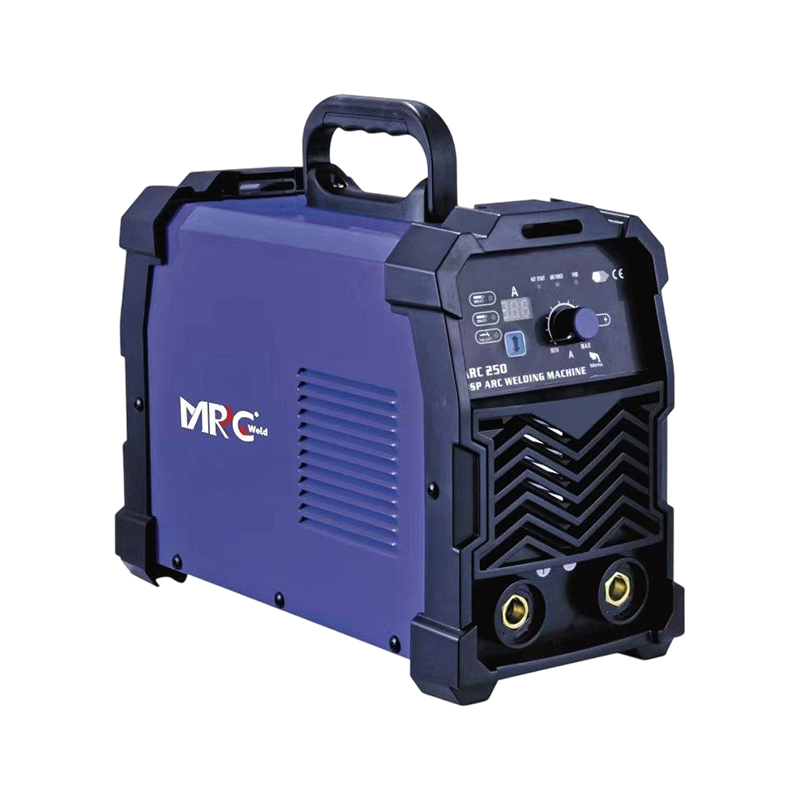
With the technical specifications clarified, the final step involves grounding your decision in practical, physical, and economic realities. The ideal machine on paper must also fit your workspace, budget, and long-term skill development. This involves assessing factors like portability, cooling methods, and the true total cost of ownership. Overlooking these aspects can lead to buyer's remorse, where a technically capable machine becomes a burden due to its size, noise, or hidden running costs. This section focuses on the tangible attributes that affect daily use and satisfaction, ensuring your new arc welder is a welcomed addition to your workshop rather than a source of frustration.
Consider where and how you will use the welder. Will it sit permanently on a cart in your garage, or do you need to carry it to different job sites? Weight and physical dimensions are key. Inverter welders excel here, often being 50-80% lighter than traditional transformer models of similar output. Also, examine the cooling system. Fans are necessary but can stir up dust and debris in a workshop. Some machines offer variable-speed or off-delay fans that run only when needed, reducing dust ingestion. Build quality is evident in the sturdiness of the casing, the quality of the connection points (lugs or DINSE connectors), and the robustness of the control knobs and displays. A machine built with durable components will better withstand the vibrations, heat, and occasional bumps of a workshop environment. These practical aspects heavily influence the experience of a user, especially one whose search aligns with portable arc welder for farm repair jobs. For farm repairs, portability is often the top priority, as equipment breaks down in the field, not in the workshop. A lightweight, durable inverter welder that can run off a generator or a installed 240V outlet in a barn, with a good duty cycle for intermittent repair work, would be the ideal match. Its ability to operate in various positions and withstand a rougher environment is crucial.
The purchase price is just the initial investment. Consider the total cost of ownership, which includes consumables (electrodes, shielding gas, tungsten), necessary accessories (ground clamp, electrode holder, TIG torch, MIG gun), personal protective equipment, and potential electrical upgrade costs. Also, think about future-proofing. If you are a beginner, you might start with stick welding, but will you want to try TIG or MIG in a year? Spending a little more on a multi-process inverter now could save you from buying a second machine later. Conversely, if your needs are singular and well-defined, a dedicated, simpler machine might be more cost-effective. Assess the warranty period and the availability of service or repair support. A machine with a longer warranty and a service network provides peace of mind and protects your investment for years to come. Making a balanced decision here ensures your arc welding power supply remains a valuable asset, perfectly aligned with your evolving skills and projects.
1. How Does an MMA Welding Machine Work? Explanation of the basic operation and princi...
View MoreI. Introduction Welding is a fundamental process in countless industries, joining metals ...
View MoreI. Introduction: The key guardian of car energy In the complex system of the car, the Car...
View MoreWhat is car battery charger fully Car battery charger fully is a device specially used to...
View More
Copyright © TAIZHOU MIRACHER MACHINERY CO., LTD. All Rights Reserved Custom Industrial Welding Equipment Manufacturers



 English
  Português
 sale@miracher.com
 0086-15988994409