Content
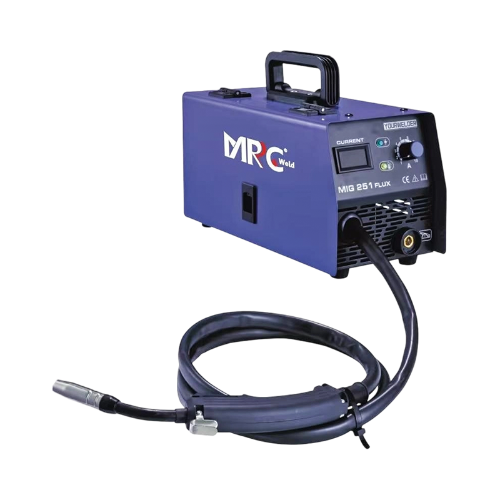
In the world of metal fabrication, maintenance, and creative DIY projects, flexibility and convenience often matter as much as raw power. A Portable welder offers a unique blend of mobility, versatility, and practicality — letting you take welding power where fixed workshops can’t reach. Whether you're repairing a farm gate in a remote location, crafting custom metal furniture in a small garage, or patching up a piece of farm equipment on a jobsite, a portable unit delivers the convenience of “welding anywhere.” For many users, the appeal lies in reducing setup overhead: no heavy machinery, no dedicated welding shop, and no need for bulky infrastructure. Instead, you get a compact machine that can work from a car battery, generator, or built‑in inverter circuit, depending on the model. Beyond sheer convenience, the portability factor brings cost‑effectiveness for hobbyists and pros alike. Avoiding costly shop space, saving on transport of large metal components, and reducing downtime in urgent repair scenarios are all part of the value proposition. Moreover, portable welders have evolved: modern models offer enough amperage and duty cycles to handle light to medium fabrication tasks — making them more than just “camp‑site welders.” All this makes them a solid choice for anyone needing flexibility without sacrificing functionality.
One of the most revolutionary branches of portable welding equipment is the battery‑powered portable welder. These units move beyond reliance on mains electricity or heavy generators, enabling true “plug and weld” freedom. With built‑in rechargeable batteries (or external battery packs), they allow welding in remote areas — a construction site, farm field, or even roadside repair scenario — without needing external power sources. For light to medium welding tasks, especially on thin to medium gauge metal, these units provide a surprisingly capable option. However, as with many battery‑based tools, trade‑offs exist: limited duty cycles, lower maximum amperage, and perhaps longer recharge times between welding sessions. Depending on the model, you may get enough power for fence repair, metal sculpture, or automotive sheet‑metal work — but heavy structural welding may push beyond their comfort zone.
For those who need more consistent power and longer welding sessions away from standard power outlets, generator‑ready portable welders are a great compromise. These welders are designed to operate efficiently when paired with an external generator — whether it’s a compact portable generator or a full‑size site generator. The benefit lies in combining portability with enough power to handle heavier welding tasks, including thicker metal and more demanding duty cycles. This setup is particularly useful for remote job sites, agricultural repairs, or construction work in areas lacking grid access. Because the generator supplies steady output, the welder can deliver stronger arcs, deeper penetration, and longer continuous welds compared to purely battery‑powered versions. However, this flexibility comes at the cost of carrying additional generator equipment, fuel, and potentially more noise and emissions — something to consider for job‑site compliance or environmental concerns.
For many hobbyists, small‑shop fabricators, or garage‑based DIYers, inverter‑style portable welders offer the optimal balance of portability, versatility, and performance. These machines leverage modern inverter technology to convert and regulate electrical current efficiently, allowing stable arcs with less power consumption. When plugged into a standard home workshop’s electrical supply — or with appropriate generator support — inverter portable welders can offer clean, stable welding suitable for MIG, TIG, or stick welding (depending on capabilities). Because of their efficient power conversion, they often produce smoother arcs, less spatter, and more control — making them especially useful for precision metalwork or projects that demand neat welds. Additionally, compared to traditional transformer‑based welders, inverter models tend to be lighter and more compact, aligning well with the portability theme. For home‑use applications such as metal furniture, small structural frames, or DIY repairs, they shine in reliability and ease of use.
One of the most practical applications of a Portable welder is on‑site repair and maintenance work — especially in environments where bringing large parts back to a fixed shop is impractical. Whether it’s a farm gate that needs welding after damage, metal fencing that needs reinforcing, a piece of farm equipment that broke down in the field, or a roadside guardrail that requires immediate patching, a portable welder enables swift, localized fixes. The mobility of the machine means you can bring welding capability directly to the metal, reducing downtime, transportation logistics, and costs associated with dismantling or hauling large structures. For maintenance personnel, contractors, and even homeowners dealing with occasional metal repairs, this flexibility is invaluable.
For hobbyists, craftsmen, or homeowners undertaking metalwork projects at home — such as building metal furniture, garden fixtures, custom frames, or artistic metal sculptures — a portable welder offers considerable advantages. Using a model like an inverter‑style portable welder, you can operate from standard home power (or a modest generator), eliminating the need for a dedicated welding shop. This allows people with limited space — a small garage or basement workshop — to engage in projects that otherwise would require heavy-duty industrial equipment. The portability and versatility make it feasible to set up a temporary welding space, do welding tasks, then store the machine away — offering convenience without sacrificing the ability to do meaningful fabrication. Moreover, for many DIY enthusiasts, working with metal becomes more accessible and less intimidating when welders are user‑friendly, light, and forgiving.
For enthusiasts who combine welding with outdoor or travel adventures — such as crafting metal components for trailers, customizing equipment on‑the‑go, or repairing metal items during camping or off‑grid expeditions — a portable MIG welder (or similarly portable type) offers unmatched convenience. The phrase portable MIG welder for camping encapsulates the idea of taking welding beyond traditional workshop boundaries: whether you're repairing trailer frames, building metal supports for off‑grid structures, or performing field maintenance on equipment, a compact portable welder enables you to work in remote locations. Especially when paired with a generator‑ready or battery‑powered model, you can achieve welds in forests, campsites, remote job‑sites — places where conventional welders simply cannot go. This expands the possibilities for creative and functional metalwork far beyond a garage or shop.
Selecting the right portable welder depends on multiple factors — the type of power source available, the thickness and type of metal you intend to weld, portability requirements, and the frequency and duration of welding sessions. A keyword like lightweight portable arc welder cordless suggests emphasis on mobility above all else, but that must be balanced against performance needs. For example, if you primarily weld thin metals for small projects or repairs, a cordless battery‑powered arc welder may suffice. But if you expect to tackle heavier metal fabrication, using a generator‑ready or inverter‑based unit might be more appropriate. Also important: duty cycle (how long the welder can run without needing cooling), amperage output (affects penetration and weld strength), portability (weight and physical size), and power source flexibility. Below is a comparison to help you weigh these attributes.
| Attribute | Battery‑Powered Welder | Generator‑Ready Welder | Inverter Welder (Home Use) |
| Portability | Very High (cordless, light) | High (with generator, moderate weight) | Moderate (needs power source) |
| Power & Weld Depth | Low to Moderate (thin to medium metal) | Moderate to High (medium to thicker metal) | Moderate (depends on power supply) |
| Duty Cycle | Short (limited runtime before recharge) | Medium to Long (with fuel supply) | Medium (depends on input power) |
| Typical Use Cases | Field repairs, light fabrication, remote sites | Construction sites, remote maintenance, medium fabrication | Home garage projects, hobby metalwork, small fabrication |
A portable welder can be strong enough for structural welding — but that depends heavily on the specific model and the material being welded. Generally, battery-powered or small inverter-style portables may not output the amperage or duty cycle required for heavy structural steel welding. For structural welding, you need sufficient penetration, consistent arc stability, and a welder capable of maintaining output long enough to complete the weld. Generator‑ready or high‑power inverter portables tend to be more reliable for such tasks because they can draw on external power and sustain the necessary amperage. If you plan heavy structural jobs, it’s important to verify the machine’s amperage rating, duty cycle, and recommended thickness. Overloading a small portable unit can lead to poor-quality welds or damage the welder itself.
Welding outdoors — especially using a portable unit — introduces additional safety considerations beyond standard shop welding. First, proper eye protection and welding gloves remain mandatory to guard against UV radiation, sparks, and hot metal. In outdoor settings, ensure stable footing and a non‑flammable surface to prevent accidents. Wind and weather can affect arc stability and possibly deflect sparks — so shielding or welding under some cover may be necessary. Additionally, if using a generator or battery-powered portable welder, ensure cables and equipment are dry, grounded correctly, and protected from moisture or fuel leaks. Always have a fire extinguisher or fire suppression method on hand, and keep bystanders at a safe distance. Finally, be mindful of ventilation: even outdoors, welding fumes can concentrate in confined areas (like near tents, vehicles, or enclosed spaces), so ensure air circulation.
Welding thick steel plates with a battery‑powered portable welder is challenging and often not recommended. Battery‑powered welders are designed primarily for light to medium gauge metal; their output amperage and duty cycle typically aren’t sufficient to achieve the deep penetration and sustained arc required for thick steel. Attempting to weld thick plates may result in weak welds, lack of fusion, or incomplete penetration — which compromises the structural integrity of the joint. If you must weld thick steel and portability is still a requirement, a generator‑ready portable welder or a high-power inverter model (connected to a stable power supply) would be far more appropriate. For battery models, it’s best to limit use to thin or medium steel, sheet metal, or small repair tasks.
1. How Does an MMA Welding Machine Work? Explanation of the basic operation and princi...
View MoreI. Introduction Welding is a fundamental process in countless industries, joining metals ...
View MoreI. Introduction: The key guardian of car energy In the complex system of the car, the Car...
View MoreWhat is car battery charger fully Car battery charger fully is a device specially used to...
View More
Copyright © TAIZHOU MIRACHER MACHINERY CO., LTD. All Rights Reserved Custom Industrial Welding Equipment Manufacturers



 English
  Português
 sale@miracher.com
 0086-15988994409