Content
Metal fabrication demands flexible and efficient cutting solutions. Field operators and workshop engineers constantly seek reliable tools for remote tasks. A Portable plasma cutting machine provides a highly effective method for slicing through conductive metals. These units use a high-velocity jet of ionized gas to sever steel, aluminum, and copper. B2B procurement managers value these systems for their mobility and fast cutting speeds. We will examine the technical architecture and operational parameters of these industrial tools in this guide.
The cutting process relies on the fourth state of matter. The system initiates an arc between a non-consumable electrode and the workpiece. This arc forces compressed gas through a narrow nozzle. The gas superheats into a plasma state. The plasma jet reaches temperatures above 20,000 degrees Celsius. This intense heat melts the metal and blows the molten material away from the kerf. Engineers must maintain precise gas pressure and amperage to ensure a clean cut.
Operators initiate the plasma arc using two primary methods. Contact start systems require the nozzle to physically touch the metal surface. This method works well for heavy industrial environments. A portable plasma cutting machine with pilot arc systems uses a high-frequency circuit to generate a small pilot arc within the torch. This pilot arc bridges the gap to the workpiece without touching it. Pilot arc technology prevents tip contamination. It also allows operators to cut expanded metal or rusty plates without losing the arc.
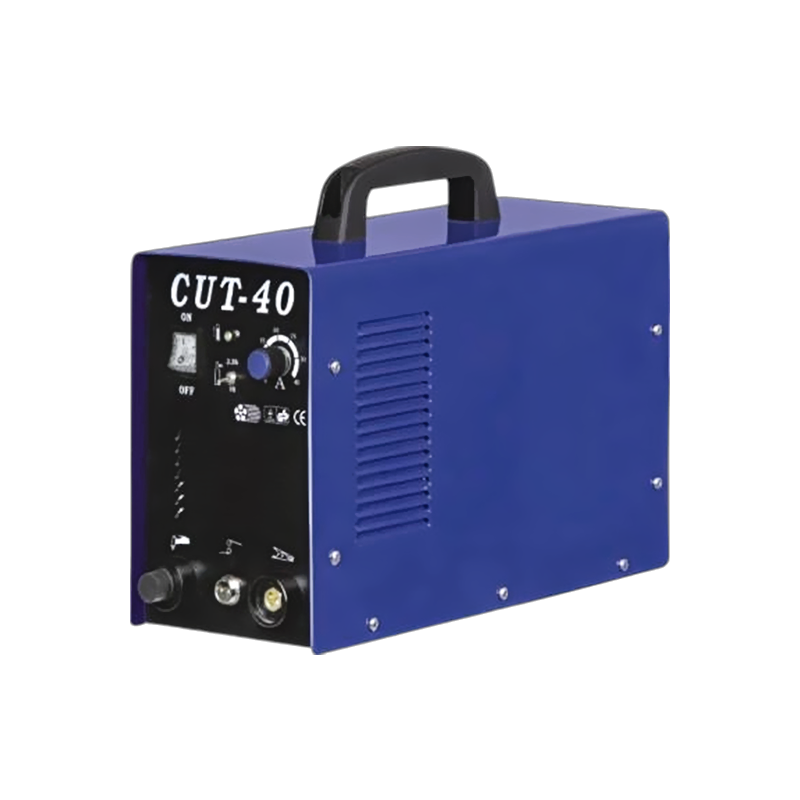
The power supply dictates the cutting capacity of the unit. Modern inverters replaced traditional transformer-based designs. Inverter power supplies use insulated-gate bipolar transistors to convert input power into high-frequency direct current. This technology significantly reduces the weight of the machine. The power source must deliver a stable direct current output with a high duty cycle. A higher duty cycle indicates that the machine can cut continuously for longer periods without overheating.
Field operations often involve unpredictable power sources. An inverter plasma cutter 110v 220v dual voltage features an automatic voltage detection circuit. This internal circuitry adjusts the power draw based on the available input plug. Operators can use standard 110-volt household outlets for light sheet metal tasks. They can switch to 220-volt industrial outlets for thicker structural steel. This dual-voltage flexibility maximizes the utility of the equipment across various job sites.
Procurement specialists must analyze performance metrics rigorously. The duty cycle represents the percentage of a ten-minute period that the machine can cut safely. For example, a 60 percent duty cycle at 40 amperes means the unit can cut continuously for six minutes. It then requires four minutes of cooling time. Exceeding this cycle causes thermal stress on the inverter components. Buyers should match the duty cycle to their specific production demands to avoid premature hardware failure.
The output amperage directly correlates with the maximum severance thickness. Manufacturers often market machines by their maximum amperage output. However, the rated cut thickness is usually much lower than the maximum severance thickness. The rated cut indicates the thickness an operator can cut at a reasonable travel speed with a clean edge. The severance cut merely indicates the maximum thickness the arc can penetrate at a very slow speed. Engineers must distinguish between these two metrics during the purchasing process.
Industrial buyers compare different machine classes based on standardized cutting metrics. These metrics include rated cut thickness, severance cut thickness, and weight. The following table illustrates the typical specifications across three common amperage classes. This comparison helps distributors stock the appropriate models for their target industries.
| Amperage Class | Rated Cut Thickness | Severance Cut Thickness | Typical Machine Weight |
| 30 Ampere | 6 millimeters | 10 millimeters | 9 kilograms |
| 50 Ampere | 12 millimeters | 20 millimeters | 16 kilograms |
| 80 Ampere | 20 millimeters | 32 millimeters | 24 kilograms |
The cutting torch contains several wear items that require regular replacement. These items include the electrode, the nozzle, the swirl ring, and the retaining cap. The electrode emits the arc and degrades over time due to extreme heat. The nozzle focuses the plasma jet and erodes from the molten metal splatter. Plasma cutter consumables,s electro, de and nozzle longevity directimpactcts the operational cost per hour. Buyers must evaluate the expected lifespan of these parts when selecting a supplier.
Several variables accelerate consumable wear. Incorrect gas pressure causes erratic arc behavior and rapid nozzle erosion. Compressed air quality is a critical factor. Moisture or oil particles in the air stream contaminate the plasma jet. This contamination creates micro-arcs inside the nozzle. Facilities must install proper air dryers and filtration systems to maximize the service life of these precision components.
The choice of cutting gas alters the plasma characteristics. Compressed air is the most common and economical option for cutting carbon steel. It provides adequate cutting speed and edge quality for general fabrication. However, other gases offer specific advantages for specialized materials.
Standard compressed air introduces nitrogen and oxygen into the cut edge of stainless steel. These elements cause oxidation and compromise the corrosion resistance of the metal. Fabricators use the best gas for plasma cutting stainless steel to prevent this oxidation. Pure nitrogen or argon-hydrogen mixtures produce a clean, oxide-free edge on stainless steel. These specialized gases maintain the metallurgical integrity of the workpiece. Procurement teams must factor in the cost of bottled gases when bidding on stainless steel projects.
Equipment distributors face unique challenges in the metalworking sector. Wholesale portable plasma cutting machines suppliers must provide robust warranty terms and accessible technical support. Distributors should audit manufacturing facilities for quality control protocols. Reliable suppliers perform individual load testing on every power supply before shipment. This testing ensures that the inverter boards meet strict thermal and electrical standards.
B2B buyers require immediate access to replacement parts. A localized inventory of consumables and circuit boards is essential for minimizing equipment downtime. Distributors should establish direct communication channels with the manufacturer's engineering teams. This relationship allows rapid troubleshooting for complex inverter faults. Service infrastructure adds immense value to the wholesale purchasing agreement.
The cutting capacity depends entirely on the output amperage of the machine. A standard 40-ampere portable unit provides a clean, rated cut on steel up to 10 millimeters thick. The maximum severance cut for the same unit might reach 16 millimeters. However, severance cuts at maximum thickness require very slow travel speeds and result in significant dross formation.
Most portable systems require an input air pressure between 60 and 80 pounds per square inch. The air flow rate is equally important. Machines typically demand a minimum air volume of 4 to 6 cubic feet per minute. Operators must ensure their air compressor can maintain this constant flow rate during the entire cutting cycle to prevent arc instability.
No, plasma cutting technology strictly requires electrical conductivity. The plasma arc must transfer an electrical current to the workpiece to complete the circuit. Non-conductive materials like plastic, wood, or glass cannot complete this electrical path. Fabricators must use mechanical saws or laser systems for non-conductive materials.
Operators should inspect the electrode tip for a deep pit. A pit deeper than 2 millimeters indicates that the electrode requires immediate replacement. They should inspect the nozzle orifice for elongation or oval shaping. A perfectly round and smooth orifice ensures a focused plasma jet. Any visual distortion in the nozzle hole degrades the cut quality significantly.
1. How Does an MMA Welding Machine Work? Explanation of the basic operation and princi...
View MoreI. Introduction Welding is a fundamental process in countless industries, joining metals ...
View MoreI. Introduction: The key guardian of car energy In the complex system of the car, the Car...
View MoreWhat is car battery charger fully Car battery charger fully is a device specially used to...
View More
Copyright © TAIZHOU MIRACHER MACHINERY CO., LTD. All Rights Reserved Custom Industrial Welding Equipment Manufacturers



 English
  Português
 sale@miracher.com
 0086-15988994409