Content
The industrial welding landscape is continuously evolving, with efficiency, quality, and operator safety standing as paramount concerns. Among the technological advancements addressing these needs, the water cooling welding machine has emerged as a critical asset for high-demand applications. Unlike standard air-cooled systems, these units utilize a closed-loop circulation of coolant to manage the intense heat generated during processes like MIG, TIG, and high-amperage stick welding. This method of thermal regulation is not merely an optional upgrade but a transformative solution that directly impacts productivity, equipment longevity, and weld integrity. For operations involving prolonged arc-on time, high-duty cycles, or precision work on sensitive materials, transitioning to a water-cooled system can yield substantial operational and financial returns. This article delves into the core advantages of implementing a water cooling welding machine in industrial settings, exploring how it enhances performance, reduces costs, and creates a safer, more consistent working environment.
At the heart of any welding operation is the quality and consistency of the arc. A water cooling welding machine excels in maintaining optimal thermal conditions for the welding torch, cable, and internal components. Excessive heat is the primary enemy of arc stability; it can lead to increased electrical resistance, voltage fluctuations, and premature wear of consumables like contact tips and nozzles. By actively and efficiently removing this heat, a water-cooling system ensures that the power source delivers a stable, concentrated arc throughout the welding procedure. This stability is particularly crucial for automated or robotic welding cells where any deviation can result in defective products. The consistent cooling allows welders to maintain tighter parameters, resulting in deeper penetration, cleaner bead profiles, and significantly reduced spatter. For tasks requiring meticulous control, such as welding thin gauge stainless steel or aluminum, this translates to superior finish quality with less post-weld cleaning, directly answering the search intent behind queries like how to improve TIG weld quality with water cooling. The benefit extends beyond aesthetics; a stable arc directly correlates with stronger, more reliable weld joints that meet stringent industrial codes.
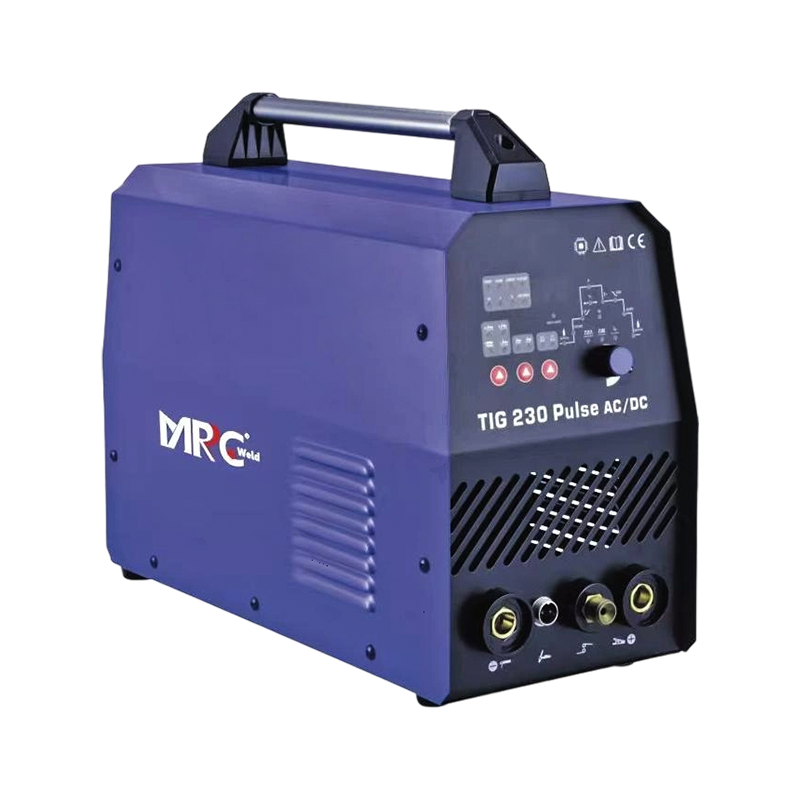
The welding torch and its power cable are subjected to extreme thermal stress. In an air-cooled setup, this heat builds up internally, degrading insulation, softening metal components, and accelerating the wear of consumables. A water-cooled torch actively circulates coolant around the current-carrying components, keeping them at a safe operating temperature. This dramatically extends the service life of expensive parts like the torch body, neck, and cable assembly. For facilities looking to optimize their maintenance budgets and reduce machine downtime, understanding the cost savings of water cooled vs air cooled welders is essential. The reduction in heat-related failures means fewer interruptions for torch repairs or replacements. Furthermore, a cooler-running cable is more flexible and easier for the operator to maneuver, reducing ergonomic strain during long shifts. This combination of durability and usability makes a water-cooling system a wise long-term investment for any workshop engaging in prolonged welding tasks.
| Component | Air-Cooled System (Typical Life) | Water-Cooled System (Typical Life) |
| TIG Torch Body | 3-6 months (heavy use) | 1-2+ years |
| MIG Gun Liner & Neck | 1-3 months | 6-12+ months |
| Power Cable | 6-12 months | 3-5+ years |
| Consumables (Tips/Nozzles) | High replacement rate | Significantly reduced rate |
Duty cycle—the percentage of a 10-minute period a welder can operate at a given current without overheating—is a critical specification for industrial productivity. A standard 60% duty cycle means the machine must rest for 4 minutes after 6 minutes of welding. A water cooling welding machine fundamentally alters this equation. By efficiently transferring heat away from the power source's transformers, rectifiers, and other electronic components, it allows the unit to operate at higher amperages for vastly longer periods. Many water-cooled systems can achieve a 100% duty cycle at their rated output, enabling non-stop production welding. This capability is a game-changer for manufacturing lines, fabrication shops, and shipyards where downtime is synonymous with lost revenue. It directly addresses the practical need encapsulated in the search term best water cooling system for high duty cycle MIG welding. The ability to weld continuously without waiting for the machine to cool not only speeds up project completion but also allows for better workforce planning and utilization, as operators are not idled by equipment limitations.
While the initial investment in a water-cooling system is higher, the long-term operational savings are substantial and contribute significantly to the cost savings of water cooled vs air cooled welders. The increased efficiency stems from several factors. First, a cooler-running power source operates more electrically efficiently, as heat is wasted energy. Second, the extended lifespan of torches, cables, and consumables directly reduces parts replacement costs. Third, the prevention of heat-related failures avoids expensive production halts and emergency repairs. Additionally, modern water coolers often feature intelligent pumps and thermostatic controls that modulate coolant flow based on temperature, minimizing energy consumption. When calculating total cost of ownership (TCO) over a 5 to 10-year period, the reduced maintenance, lower consumable costs, and higher productivity of a water-cooled system typically result in a lower cost per weld and a strong return on investment, especially for high-volume operations.
A safer work environment is a more productive and compliant one. The water cooling welding machine contributes significantly to this goal in two primary ways: reducing ambient heat and improving ergonomics. In a confined shop or welding booth, multiple air-cooled welders running simultaneously can dramatically raise the ambient temperature, creating discomfort and heat stress for operators. Water-cooled systems dissipate the majority of their heat through the radiator of the cooler unit, which can often be placed outside the immediate work area. This results in a noticeably cooler and more comfortable workspace. Ergonomically, water-cooled MIG and TIG torches are typically lighter and more balanced than their high-amperage air-cooled counterparts because the cables can be thinner (as they carry coolant, not just power). This reduces operator fatigue, improves control for precision work, and can help prevent repetitive strain injuries over long shifts. This focus on operator well-being aligns with searches for portable water cooler for welding machine setups that offer flexibility without sacrificing comfort.
The advantages of water cooling are not uniform across all welding jobs; they are most pronounced in specific, demanding applications. Identifying when a water-cooled system is necessary or highly beneficial is key to optimizing your welding operations. It is particularly indispensable for high-amperage TIG welding of conductive metals like aluminum and copper, where extended arc-on time at temperatures exceeding 250 amps is common. Similarly, in MIG welding of thick sections in steel fabrication or heavy equipment repair, sustaining high wire feed speeds generates immense heat. The search for the best water cooling system for high duty cycle MIG welding often originates from these challenging scenarios. Furthermore, automated and robotic welding cells, which run for hours without interruption, rely almost exclusively on water cooling to protect both the welding equipment and the robotic manipulator from heat damage. For precision industries or those working with expensive, heat-sensitive alloys, the controlled environment provided by water cooling is a non-negotiable aspect of quality assurance.
| Application | Recommended Process | Key Benefit of Water Cooling |
| Aluminum TIG (0.5"+) | TIG (GTAW) | Maintains torch integrity & arc focus at 300A+ |
| Structural Steel Beams | MIG (GMAW) | Enables 100% duty cycle at high wire feed speeds |
| Automotive Frame Jigs | Robotic MIG | Protects robot torch & ensures consistent welds 24/7 |
| Pipeline Welding (Stainless) | TIG & Orbital | Provides precise heat control for root passes |
Maintaining a water cooling welding machine is straightforward but crucial for reliable operation. The primary task is regularly monitoring and maintaining the coolant itself. A mixture of deionized water and a proprietary anti-corrosion/anti-algal coolant is recommended. This fluid should be checked periodically for level, clarity, and pH, typically every 3-6 months depending on use. Contaminated or depleted coolant can lead to corrosion inside the cooler, pump, and torch, causing costly damage. Annual maintenance should include inspecting and cleaning the cooler's radiator fins to ensure efficient heat exchange, checking all hoses for leaks or wear, and verifying pump operation. Unlike air-cooled systems that have few moving parts, the water cooler's pump is a key component, but with proper care, it can last for years. Following the manufacturer's maintenance schedule is the best way to ensure longevity and avoid issues related to portable water cooler for welding machine reliability.
In many cases, yes, conversion is possible and can be a cost-effective way to upgrade performance. The process typically involves purchasing a standalone water cooler unit and a compatible water-cooled torch and cable assembly for your specific welding process (MIG or TIG). The cooler is connected to the torch via hoses, and the power connections are made to your existing welder. It's important to verify that your welder's output terminals and duty cycle are compatible with the demands of a water-cooled torch at your desired amperage. Conversion is most popular for TIG welding, where the benefits to how to improve TIG weld quality with water cooling are immediately apparent. However, for integrated MIG systems, compatibility is more complex. Consulting with the welder and cooler manufacturers or a knowledgeable distributor is essential to ensure a successful conversion that delivers the expected cost savings of water cooled vs air cooled welders without compromising safety or warranty.
Absolutely. Modern portable water cooler for welding machine units are designed specifically for field service, construction sites, and repair workshops. These compact, often wheeled, coolers integrate the reservoir, pump, radiator, and fan into a single mobile package. They are highly effective, providing the same core benefits of heat management and extended duty cycle as larger stationary models. Key considerations for portable use include the unit's tank capacity (which determines how long you can weld before heat soak occurs), its power requirements (110V vs. 220V), and its overall durability and ingress protection (IP) rating for dusty or humid environments. For a pipe welder working on a remote installation or a technician performing high-amperage repairs, a portable water cooler is the only way to achieve industrial-grade weld quality and productivity without access to a fixed shop infrastructure.
The choice between a welding power source with a built-in cooler and a separate standalone cooler depends on your workflow, space, and budget. Integrated systems offer a cleaner, all-in-one footprint, simpler setup, and often optimized performance between the welder and cooler. They are ideal for dedicated workstations or shops with space constraints. Standalone coolers offer greater flexibility; the same cooler can be switched between multiple welding machines (if compatible), and it can be positioned away from the work area to reduce noise and heat. Standalone units also facilitate easier maintenance and replacement. For operations focused on finding the best water cooling system for high duty cycle MIG welding across several stations, a robust standalone cooler shared between cells might be the most economical choice. Evaluate your need for mobility, multi-machine support, and future expansion when making this decision.
Several clear indicators suggest your operation would benefit from upgrading to a water cooling welding machine. The most obvious is frequent thermal overload shutdowns of your current welder during projects, forcing you to stop and wait. Excessive wear and burn-back of consumables (nozzles, contact tips, TIG collets) is another sign of overheating. If operators complain about the welding torch becoming too hot to hold comfortably or the power cable becoming stiff and unwieldy, these are direct ergonomic and safety issues that water cooling resolves. Furthermore, if you are expanding into welding thicker materials, working with aluminum, or increasing production volumes that require longer, uninterrupted welding times, proactively investing in water cooling is a strategic move. It addresses the root cause of these limitations—inefficient heat management—unlocking higher productivity and quality, ultimately contributing to significant cost savings of water cooled vs air cooled welders in the long run.
1. How Does an MMA Welding Machine Work? Explanation of the basic operation and princi...
View MoreI. Introduction Welding is a fundamental process in countless industries, joining metals ...
View MoreI. Introduction: The key guardian of car energy In the complex system of the car, the Car...
View MoreWhat is car battery charger fully Car battery charger fully is a device specially used to...
View More
Copyright © TAIZHOU MIRACHER MACHINERY CO., LTD. All Rights Reserved Custom Industrial Welding Equipment Manufacturers



 English
  Português
 sale@miracher.com
 0086-15988994409